

I hate waste, particularly when the waste is the result of governmental indifference.
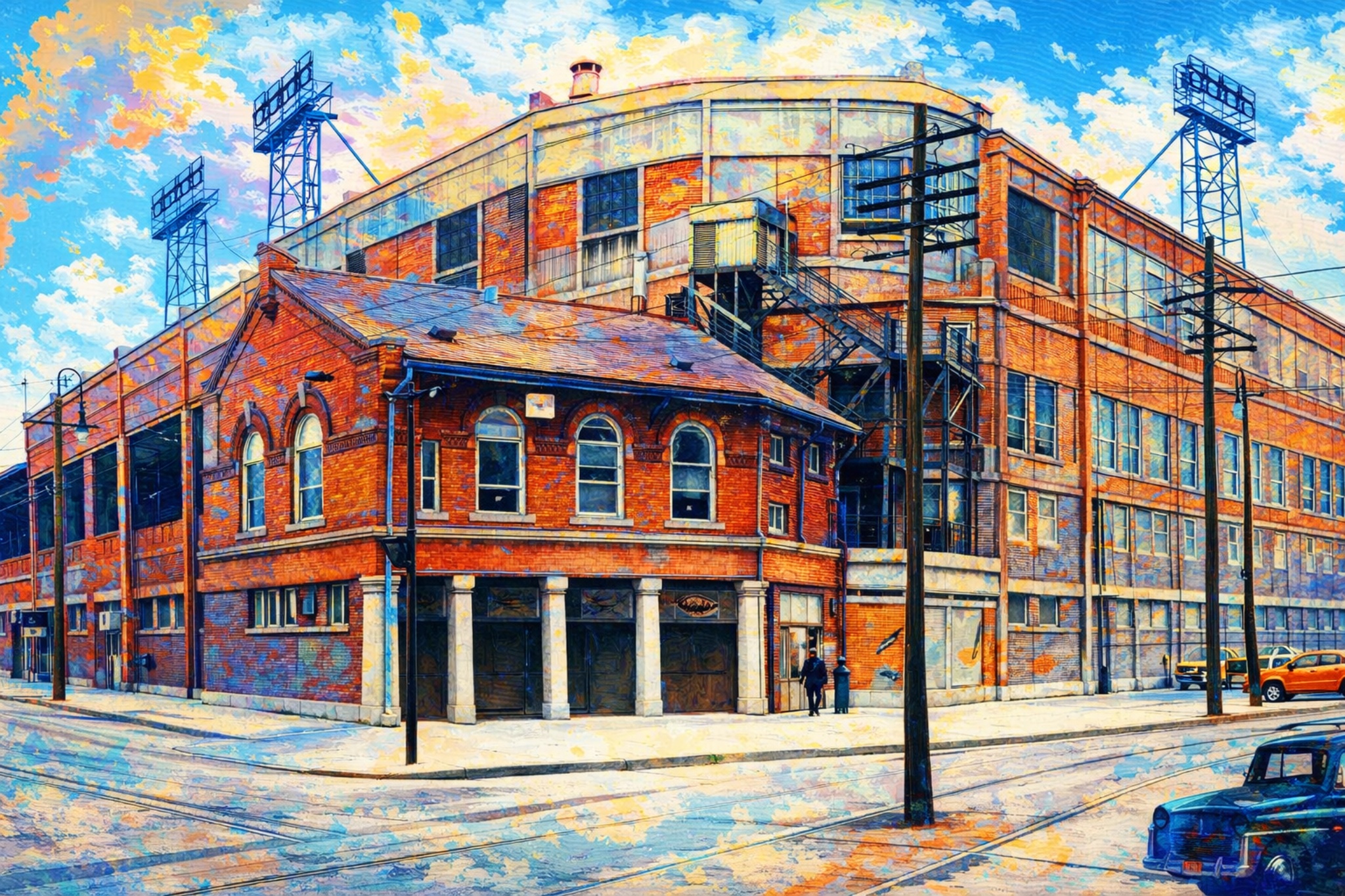
In Cleveland, the best example of that waste is League Park, which the city used over $6.3 million to save from demolition. The ballpark would be history like Shibe Park, Ebbets Field and Crosley Field if not for the hardheadedness of Councilwoman Fannie Lewis, who dreamed of making League Park an asset in her ward.
Lewis died in August 2008 before she saw its revival.
Yet it hasn’t been much of a revival, not when the city has no concrete plan on how to run it efficiently and profitably. I could list where it has mishandled the ballpark, which includes not hiring a capable baseball person to manage it. I won’t bother too here.
But League Park differs from other facilities in the city’s recreation portfolio. It’s not Gordon Park or Edgewater Park or Kerruish Park, which cost pennies to maintain compared to dollars to run League Park, a venue with the historic pedigree the others lack.
Lewis envisioned the ballpark as bringing Black youth back to baseball. I’ve shared her vision. But what I don’t see is a commitment from the city, from the Cleveland Guardians, who once called the ballpark their home, or Major League Baseball to use League Park as a training ground for Black boys.
The reason that hasn’t happened is simple: money. The Guardians and other Major League ballclubs find it cheaper to invest in academies in Latin America than to spend money in urban America. They talk about growing the game in cities, but growth comes with a price, which nobody is eager to pay.
So, League Park, a ballpark anchored in the heart of a mostly Black neighborhood, sits like a gravestone to baseball’s past, idle more often than it is used. It held no salute to Jackie Robinson a couple of days ago, and I guess they chose to do nothing to honor Robinson because those involved in the game are embarrassed at the number of Blacks who wear Major League uniforms.
In a podcast the other day, Kenny Lofton, one of the stars of those great Indians teams of the 1990s, criticized how the lords of the game have whitewashed it. Lofton told the truth about what is obvious in this city: The Guardians have a roster with not a single Black ballplayer on it. That’s a sad commentary on how the franchise has built its roster.
Let’s not count skin color. Instead, let’s point to the short shrift the ballclub gives history here. The Guardians must be stewards of all-things baseball, which means they have an obligation to keep alive the Cleveland Buckeyes, who won the Negro Leagues title in 1945.
Since the Buckeyes are part of MLB history, they deserved to be remembered like the 1948 and 1920 Indians. The Buckeyes had heroes just as the Indians did … heroes who looked like people in Hough/Fairfax today. The ballclubs used to share the ballpark.
In a column I wrote for cleveland.com, I suggested city officials might want to get out of the baseball business. I recommended they hire a professional to manage League Park, and I also called on the Guardians and their billionaire owners to do more. In a poor city like Cleveland, taxpayers can ill-afford to see their dollars go to keep alive someone’s pipedream.
If League Park and its history matter, the Guardians will do more. If they don’t, bring the bulldozers in and turn the site into housing for the gentry that’s moving back into a neighborhood on the rebound, a neighborhood where land is cheap, and access to downtown and the interstate is easy.
